
Is your appetite decreasing, but your body still needs vitamins and minerals? You’re not alone. As we age, our energy needs often change, while many nutrients remain just as important.
When it comes to nutrition after age 60, food choices are therefore particularly important. Find out here which nutrients deserve special attention.
Verival Muesli with No Added Sugar – Try It Now
Why Nutritional Needs Change After Age 60
As people age, many lose muscle mass and consequently burn fewer calories. For most vitamins and minerals, however, the recommended amounts remain the same. Those who eat less must consume these amounts through smaller portions.
One exception is protein: For healthy people aged 65 and older, the DGE recommends 1.0 grams per kilogram of body weight daily. Yogurt, cottage cheese, eggs, and legumes can help you meet this requirement.
Important: Your needs don’t change abruptly at age 60. Many reference values apply to people aged 65 and older. Exercise, health, and individual eating habits also play a role.
Calcium & Vitamin D: The Power Duo for Strong Bones
Most of the body’s calcium is found in bones and teeth. Adults should consume 1,000 milligrams daily. The best sources are dairy products, broccoli, and calcium-enriched mineral water. If you drink plant-based beverages, check the package to see if calcium has been added.
The body needs vitamin D to absorb calcium effectively. The skin produces vitamin D with the help of sunlight, though production decreases with age. If the body isn’t producing enough on its own, the recommended daily intake is 20 micrograms, which is usually difficult to achieve through food alone.
Vitamin B12: Essential for the Nervous System & Energy
Vitamin B12 supports the nervous system, blood formation, and energy metabolism. The recommended daily intake for adults is 4 micrograms. It is found primarily in fish, meat, eggs, and dairy products.
As people age, absorbing B12 from food can become more difficult. Changes in the stomach lining and certain medications, such as acid-blocking drugs, can impair absorption. Therefore, even people who regularly eat foods containing B12 may still have a deficiency. If you experience persistent fatigue or tingling, it’s advisable to consult a doctor, as these symptoms can have various possible causes. If you follow a vegan diet, it’s essential to take a reliable B12 supplement to ensure adequate intake.
Omega-3 Fatty Acids: Support for the Heart & Brain
By adding walnuts to your granola or having salmon for lunch, you’re consuming different types of omega-3 fatty acids. Salmon, herring, and mackerel provide eicosapentaenoic acid (EPA) and docosahexaenoic acid (DHA). Both contribute to normal heart function, while DHA is also important for normal brain function.
Walnuts, flaxseeds, and canola oil, on the other hand, contain alpha-linolenic acid (ALA). Your body needs this plant-based omega-3 fatty acid from your diet because it cannot produce it on its own. While your body can convert ALA into EPA and DHA, it can only do so in small amounts. So, a few chopped walnuts as a topping for your oatmeal help meet your needs, but they do not completely replace the omega-3 fatty acids found in fish.
If you eat fish regularly and are healthy, you usually don’t need additional fish oil capsules. You can discuss with your doctor whether a supplement would be beneficial for you.

Dietary Fiber: For Healthy Digestion & Stable Blood Sugar Levels
By eating oatmeal for breakfast, a slice of whole-grain bread, or lentils in a salad, you’ll get dietary fiber throughout the day. It supports your digestion and is also found in vegetables, fruits, and nuts. The recommended daily intake for adults is at least 30 grams.
Oats contain the dietary fiber beta-glucan. If you consume enough of it with a meal, your blood sugar may rise less sharply after eating. However, a small amount of oatmeal alone does not guarantee this effect.
A high-fiber diet is also beneficial in the long term: In a large systematic review, a higher intake was associated with, among other things, a lower risk of type 2 diabetes and cardiovascular disease.
If you’ve been eating very little fiber so far, give your gut time to adjust. Increase the amount gradually and drink plenty of fluids along with it.
Antioxidants: Protection Against Cellular Stress
When your body processes food, it also produces substances that can damage cells. Normally, your body neutralizes these. If it cannot do so sufficiently, this is referred to as “oxidative stress.” Vitamin C and vitamin E help protect cells from this. They are among the so-called antioxidants.
A varied diet provides you with a range of these protective substances. For breakfast, for example, you can add berries and almonds to your cereal. Later, bell pepper strips make a great snack, or broccoli goes well with lunch. This way, you spread out different types of fruits and vegetables throughout the day.
You don’t necessarily need extra vitamin supplements for this. A large meta-analysis of studies showed that antioxidants taken as dietary supplements do not demonstrably prolong life. Some supplements can even be harmful. This applies to the supplements studied, not to the fruits and vegetables on your plate.
Magnesium & Potassium: Support for Muscles and Heart Function
Magnesium and potassium ensure that your nerves can transmit signals and your muscles can function properly. This also applies to the heart muscle. You can get both minerals regularly from everyday foods.
Magnesium, for example, is found in oatmeal, nuts, and legumes. As a guideline for adults, the daily intake is 300 milligrams for women and 350 milligrams for men. With an oatmeal breakfast and a few chopped almonds, you’re already getting part of that.
If you add a banana to that, you’ll also be getting potassium. Other sources include potatoes, vegetables, and legumes, which you can incorporate into your lunch or dinner. The estimated daily requirement for adults is 4,000 milligrams.
However, if you have kidney disease or are taking certain medications, your body may have difficulty excreting potassium. In that case, consult your doctor to determine the appropriate amount for you before making specific dietary changes or taking supplements.
Fluid Intake: Why Dehydration Becomes More Common After Age 60
As we age, the sensation of thirst often diminishes. Some people forget to drink or avoid beverages because they have to use the restroom frequently. Taking regular breaks to drink can help. As a general guideline, aim for about 1.5 liters of fluids daily, preferably water or unsweetened tea. However, individual medical recommendations take precedence.
It’s best to have a drink ready first thing in the morning and spread your fluid intake throughout the day.
How to Meet Your Nutritional Needs at Breakfast
You can already incorporate some of the nutrients mentioned into your breakfast. Oatmeal provides fiber and magnesium, while milk or plain yogurt adds protein and calcium. Grated apple and chopped nuts go well with this. If you prefer a plant-based milk, check to see if calcium and vitamin B12 have been added.
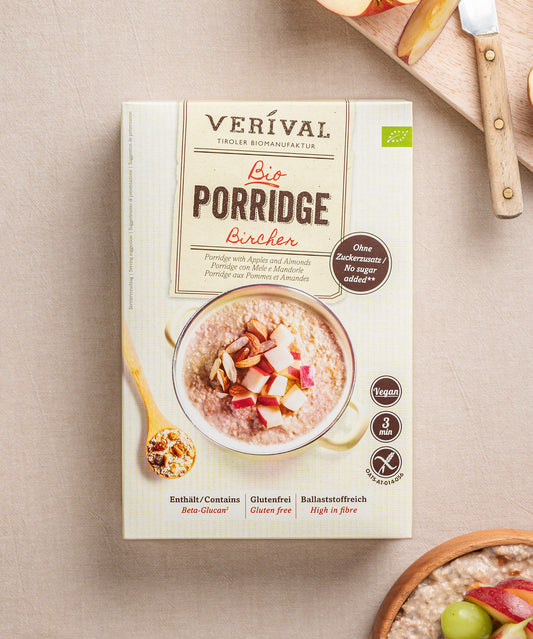
You can prepare our Bircher Muesli Overnight Oats the night before. Overnight, the mixture softens and becomes creamy in the refrigerator. In the morning, give it a quick stir and add apple and nuts to taste. If the consistency is too thick for you, simply add a little more liquid.
Recipe: Bircher Muesli Overnight Oats