
Chronic inflammation plays a role in many common conditions, such as cardiovascular disease, type 2 diabetes, and depression. What many people underestimate is that our diet also influences how active these inflammatory processes are in the body. Certain foods and eating habits can help either exacerbate or reduce inflammation.
In this article, you’ll learn what makes up an anti-inflammatory diet and how you can easily incorporate it into your daily life.
Healthy Verival Breakfast – Discover Now
What Is an Anti-Inflammatory Diet
An anti-inflammatory diet isn’t a short-term fad diet. Rather, it’s a way of eating that you can maintain long-term and that puts minimal strain on your body.
Researchers often use the so-called Dietary Inflammatory Index (DII) for this purpose. It is used to assess how different foods affect inflammation levels in the body.
Important to note: There is no single anti-inflammatory food that makes the difference. What matters is your overall diet.
The Mediterranean diet has been particularly well-studied in this context. It is considered one of the best examples of an anti-inflammatory diet, as it is rich in plant-based foods, healthy fats, and minimally processed products.
Causes and Consequences of Chronic Inflammation
Inflammation is generally beneficial. It helps the body respond to infections or injuries. The problem arises when it remains active over the long term without a clear trigger.
Such chronic inflammation can be caused by various factors. These include a lack of exercise, stress, and, above all, a diet high in highly processed foods. Being overweight can also play a role, as fat tissue itself can release inflammatory substances.
In the long term, such processes can contribute to the development of various diseases. These include, among others, cardiovascular diseases, metabolic problems, or mental health issues.
Nevertheless, the evidence must be viewed with caution, as many of these findings come from observational studies. They show correlations but do not always clearly explain the cause.
Basic Principles of an Anti-Inflammatory Diet
An anti-inflammatory diet is based on simple yet effective principles, which we will examine in more detail below. At its core is a largely plant-based diet that is as natural and varied as possible.
Focus on Whole Foods
The foundation consists of foods that are as unprocessed as possible. These include whole grains, legumes, nuts, seeds, and fresh fruits and vegetables.
They should make up the majority of your diet, as they provide energy and many of the nutrients the body needs daily.
Plenty of Fruits and Vegetables
Fruits and vegetables are central components of an anti-inflammatory diet. They provide vitamins, minerals, and phytochemicals that are associated with positive effects on inflammatory processes.
Colorful varieties such as berries, green leafy vegetables, or seasonal vegetables are particularly recommended. The more varied your selection, the broader the range of nutrients you consume.

Healthy Fats
Fats also play an important role when it comes to inflammatory processes in the body. In particular, omega-3 fatty acids—found, for example, in fatty fish, flaxseed, and walnuts—have been shown in various studies to have anti-inflammatory effects on existing inflammation. In healthy individuals, however, the findings are less clear-cut.
Extra virgin olive oil, which is particularly well-known from the Mediterranean diet, has also been extensively studied. It contains monounsaturated fatty acids and phytochemicals known as polyphenols. These are associated with potential anti-inflammatory effects.
However, studies also show that these positive effects primarily occur as part of an overall balanced diet.
Dietary Fiber
Dietary fiber is found primarily in foods such as oatmeal, whole-grain products, legumes, and fruits and vegetables. It is processed by bacteria in the gut and thus plays an important role in gut health.
A diet rich in dietary fiber is consistently associated in studies with better metabolic markers and lower levels of inflammation. Therefore, it is worth incorporating it regularly into your diet.
Less sugar and highly processed foods
Highly processed foods often contain a lot of sugar, white flour, and added fats. If they are a regular part of your diet, this can have a negative effect on your metabolism.
An anti-inflammatory diet therefore means not only eating more fresh and natural foods, but also consciously choosing such products less often.
Foods that can promote inflammation
In addition to foods that support the body, there are also those that can have the opposite effect. Highly processed products, in particular, play a role here.
Sugar and sweets
Sugar is found, for example, in sweets, many beverages, and processed foods. If you consume large amounts of these regularly, it can strain your metabolism and also have a negative impact on inflammatory processes.
White flour and highly processed products
Products made from white flour, such as white bread, pastries, or many ready-made meals, provide quick carbohydrates but hardly any fiber. As a result, they often only satisfy hunger briefly and frequently replace more nutrient-rich alternatives.
Unhealthy fats
Highly processed foods and fried products, in particular, often contain fats with an unfavorable composition that are clearly considered unhealthy. These include, for example, trans fats or highly processed vegetable oils.
If such products are a regular part of your diet, they often displace higher-quality fat sources like nuts, seeds, or olive oil. That’s why it makes sense to treat them as an exception.
Practical Tips for Everyday Life
An anti-inflammatory diet doesn’t have to be complicated. Often, small adjustments in your daily routine are enough to make a difference in the long run.
When planning meals, you can follow a simple principle: A good meal consists of a combination of vegetables, whole grains, a protein source, and healthy fats. Olive oil is ideal as a base for dressings or for cooking.
You can also make conscious choices when it comes to snacks. Instead of highly processed products, opt for nuts, fruit, or yogurt with rolled oats.
Anti-inflammatory breakfast ideas
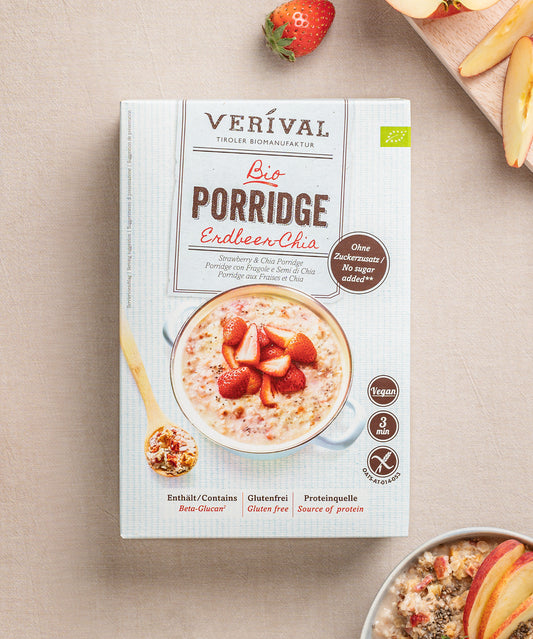
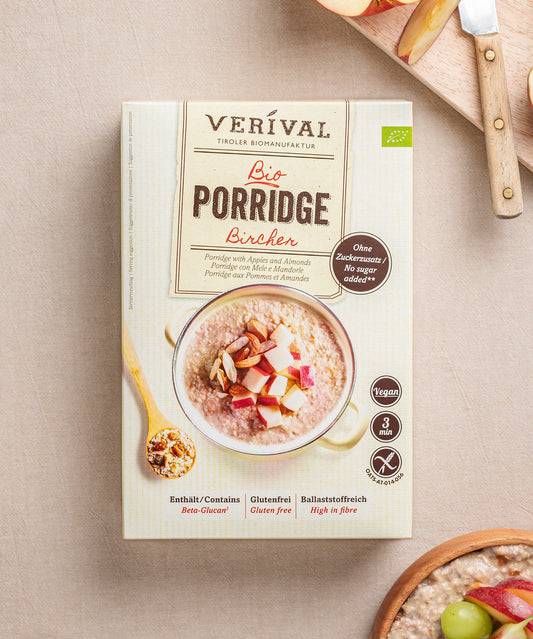
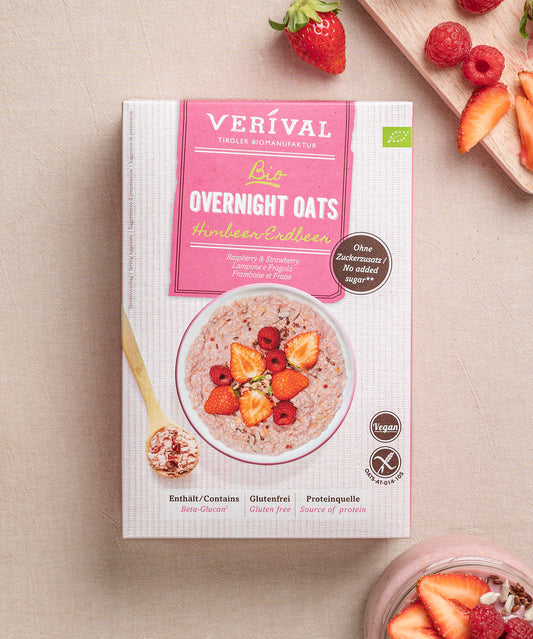
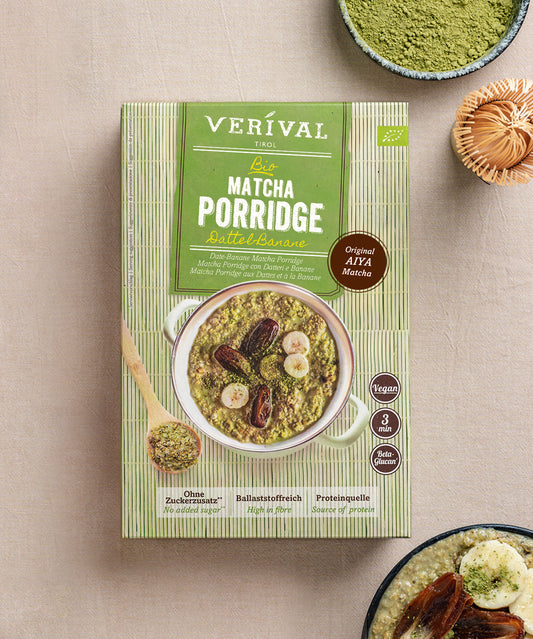
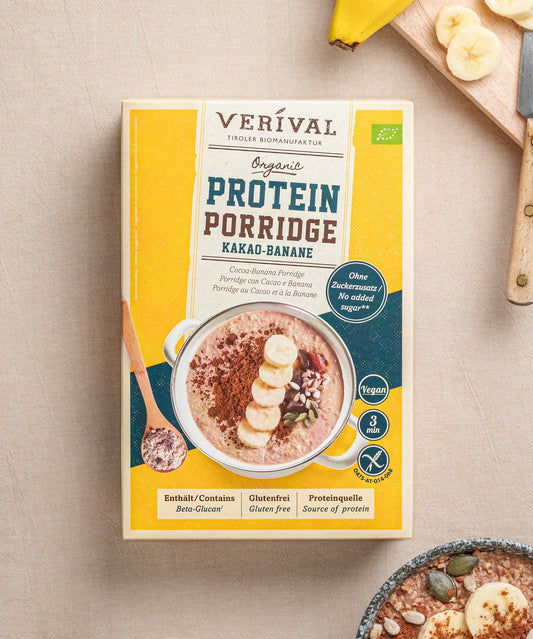
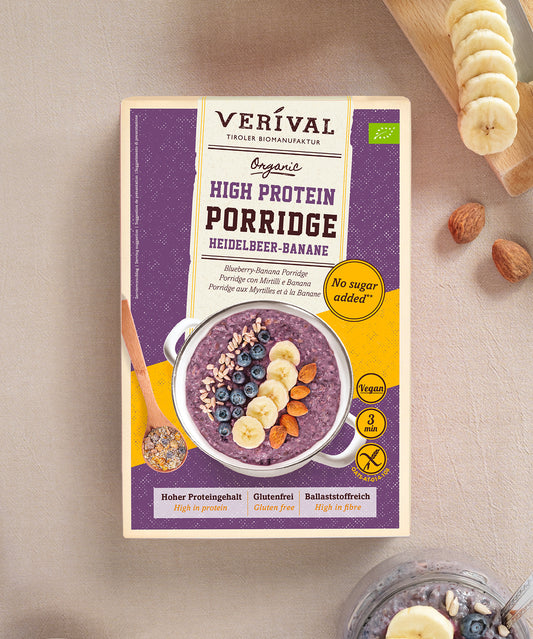
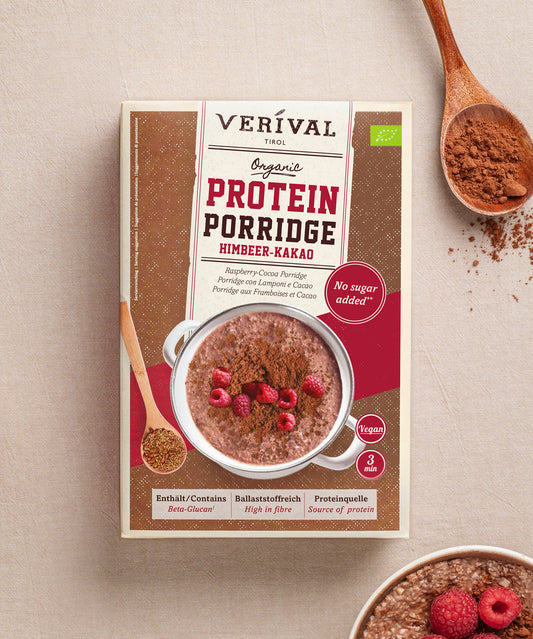
Porridge made from rolled oats provides valuable fiber that can have a positive effect on gut health. Combined with berries, nuts, and seeds, it creates a balanced meal that combines many important nutrients.
Muesli with yogurt, fresh fruit, and nuts is also a simple way to start your day with plenty of nutrients.
Basic Porridge Recipe – Sugar-Free and Vegan
Scottish porridge is very simple and quick to prepare. For the basic recipe, you only need three ingredients, and you can then add your favorite fruits and spices.

Prep time: 10 min.
Servings: 1
Ingredients
- 180 ml milk or plant-based milk
- 3–4 tbsp rolled oats
- 1 pinch of salt
Instructions
- Bring the milk (or plant-based milk) to a boil in a saucepan.
- Add the rolled oats and turn the heat down to low.
- Let the porridge simmer for about 5 minutes (stir constantly with a wooden spoon so the milk doesn’t burn and the porridge develops a nice creamy texture).
- Remove the pot from the heat and let the porridge sit until it reaches the right consistency.
- Finally, add a pinch of salt. This brings out the flavor of the oats even more, whether you prefer to enjoy your porridge with sweet or savory toppings.
Conclusion
An anti-inflammatory diet isn’t based on individual foods, but on a balanced overall approach. A plant-rich, minimally processed diet with healthy fats like olive oil and omega-3 fatty acids is particularly well-supported by research.
What matters isn’t perfection, but consistency. Even small changes in your daily routine can have a positive long-term impact on your health.
Quick and healthy breakfast with Verival – Try it now
Frequently Asked Questions
What can you eat on an anti-inflammatory diet?
The focus is primarily on unprocessed, plant-based foods such as vegetables, fruits, whole grains, legumes, nuts, and seeds. This is complemented by healthy fats, for example from olive oil and omega-3 sources such as walnuts or fatty fish. It is less about a single food and more about the overall dietary pattern.
Which foods are highly anti-inflammatory?
Individual foods like berries, leafy greens, nuts, or olive oil are often associated with anti-inflammatory effects. However, research shows that it’s not individual “superfoods” but the combination of many of these foods that matters. The Mediterranean diet has been particularly well-studied.
How do I start an anti-inflammatory diet?
The easiest way to start is by incorporating more unprocessed foods into your daily routine and reducing highly processed products. A good guideline is to build each meal around vegetables, whole grains, a protein source, and healthy fats. Small, consistent changes are more effective in the long run than radical overhauls.